Michigan Guided Bear Hunts: A Comprehensive Overview (Updated 04/14/2026)
Michigan’s 2025-2026 hunting season applications are now open, including bear and elk. The skeletal system supports the body, and guided hunts enhance success rates for hunters!
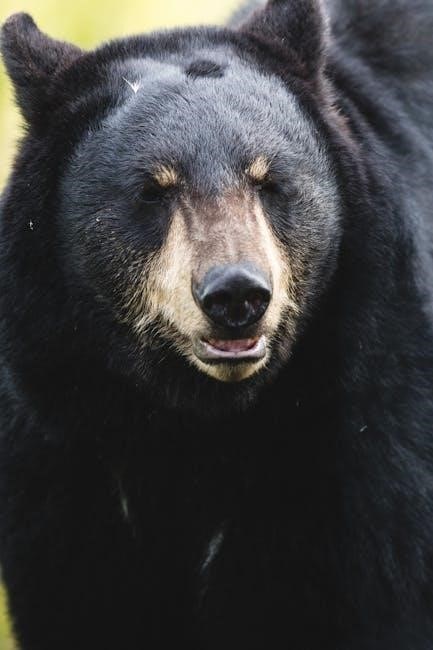
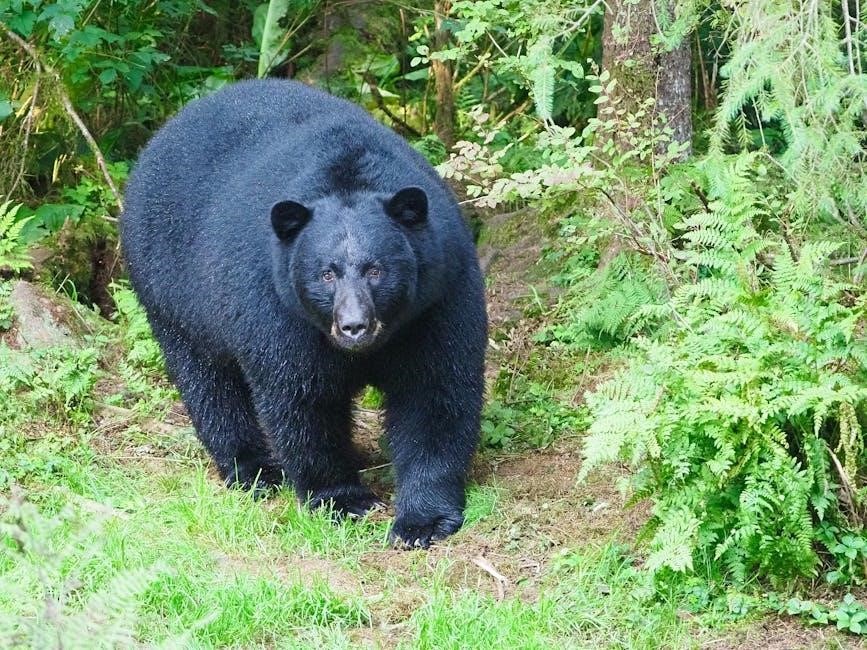
Michigan presents a unique and rewarding experience for bear hunters, boasting a healthy and thriving black bear population. The state’s diverse landscapes, ranging from dense forests to expansive swamps, provide ideal habitat for these magnificent animals. Hunting bear in Michigan is a long-standing tradition, deeply rooted in the state’s outdoor heritage.
The Michigan Department of Natural Resources (DNR) actively manages bear populations to ensure sustainable hunting opportunities for years to come. Hunters can participate in both spring and fall bear hunts, each offering distinct challenges and rewards. Understanding the skeletal system, providing support and protection, is crucial for hunters navigating varied terrain. The 2025-2026 season promises exciting prospects, with application deadlines approaching quickly. Successful hunters contribute to wildlife management and enjoy the satisfaction of harvesting a trophy bear in the Great Lakes State. The framework of a successful hunt relies on preparation and knowledge.
II. Why Choose a Guided Bear Hunt in Michigan?
Opting for a guided bear hunt in Michigan significantly increases your chances of success, especially for out-of-state hunters unfamiliar with the terrain and bear behavior. Experienced guides possess intimate knowledge of local bear populations, their feeding patterns, and preferred travel routes. They handle logistics, including scouting, baiting (where legal), and transportation, allowing you to focus solely on the hunt.
A guided hunt provides access to prime hunting locations often unavailable to the public. Guides understand Michigan’s complex hunting regulations and ensure compliance, minimizing legal risks. Like the skeletal system providing structure, guides provide a structured and efficient hunting experience. They also offer valuable expertise in field dressing and preparing your trophy. Choosing a reputable outfitter translates to a safer, more productive, and ultimately, more enjoyable bear hunting adventure in Michigan’s wilderness.
III. Michigan Bear Hunting Regulations & Licensing (2025-2026 Season)
Michigan’s Department of Natural Resources (DNR) dictates all bear hunting regulations. For the 2025-2026 season, hunters must apply for a limited-quota bear hunting license through an online application system. Deadlines are crucial; typically, applications are due in May for fall hunts and earlier for spring hunts. Successful applicants are randomly drawn, and quotas vary by Bear Management Unit (BMU);
Legal hunting hours are generally from 30 minutes before sunrise to 30 minutes after sunset. Permitted methods include firearms, archery equipment, and black powder. Baiting regulations are specific to each BMU, with restrictions on bait type and placement. Hunters must adhere to tagging requirements immediately upon harvest, and reporting the harvest to the DNR is mandatory. Understanding these regulations, much like understanding skeletal structure, is fundamental for a legal and ethical hunt.
III.A. Application Processes and Deadlines
Applying for a Michigan bear hunting license is primarily conducted online through the Michigan DNR’s E-Liscensing system. The application period for the 2025-2026 season typically opens in February, with specific dates announced on the DNR website. Separate applications are required for spring and fall bear hunts, and hunters can apply for multiple BMUs (Bear Management Units), increasing their chances of drawing a tag.
Deadlines are strictly enforced. The initial application deadline for fall hunts is usually in May, while spring hunt applications have an earlier deadline, often in March. A non-refundable application fee applies. Hunters must possess a valid Michigan hunting license to apply. Successful applicants will be notified via email, and licenses are electronically issued. Like a well-structured skeleton supports movement, a timely application supports hunting opportunities.
III.B. Bear Hunting Zones and Quotas
Michigan is divided into numerous Bear Management Units (BMUs), each with specific regulations and quotas designed to manage bear populations sustainably. These BMUs vary significantly in size, habitat, and bear density. The DNR establishes annual quotas for each BMU based on population surveys and management goals. Quota numbers fluctuate yearly, reflecting the health and size of the bear population within each zone.
Hunters must select a specific BMU when applying for a license. Some BMUs are limited-quota, requiring a drawing, while others may offer over-the-counter licenses. Understanding the quota system and the specific regulations for your chosen BMU is crucial. Just as the skeleton provides structure, BMUs structure bear hunting opportunities. The DNR website provides detailed maps and quota information for each BMU, aiding hunters in making informed decisions.
III.C. Legal Hunting Hours and Methods
Michigan bear hunting regulations dictate specific legal hunting hours, generally beginning 30 minutes before sunrise and ending 30 minutes after sunset. Hunting is prohibited during closed hours. Permitted hunting methods include the use of firearms, including rifles, shotguns, and muzzleloaders, as well as archery equipment. Baiting is a common and legal practice, but strict regulations govern bait placement and type – mirroring the careful structure of the skeletal system.
The use of dogs is permitted in certain BMUs, but specific rules apply, often requiring adherence to hound hunting regulations. Trapping is generally not permitted for bear hunting. Hunters must adhere to all firearm safety regulations and possess a valid Michigan hunting license and bear hunting permit. Understanding these legal parameters ensures a safe and ethical hunting experience, respecting both the animal and the law.
IV. Types of Michigan Bear Hunts Offered
Michigan presents diverse bear hunting opportunities, primarily categorized into spring and fall hunts. Spring bear hunts typically occur in May and June, capitalizing on bears emerging from hibernation and seeking readily available food sources. Fall bear hunts, running from September through November, coincide with the breeding season and pre-hibernation feeding frenzy. Both seasons offer unique challenges and rewards, much like the complex structure of the human skeleton.
Hound hunts are also a popular option in designated areas, utilizing the tracking abilities of trained dogs to locate and pursue bears. However, hound hunting is subject to specific regulations and requires adherence to ethical hunting practices. Guided hunts often specialize in one or more of these methods, tailoring the experience to hunter preferences and maximizing success. Choosing the right hunt type depends on individual skill level, physical condition, and desired hunting style.
IV.A. Spring Bear Hunts
Spring bear hunts in Michigan, generally held in May and June, are highly sought after due to the increased visibility of bears post-hibernation. Emerging from their winter slumber, bears actively forage for food, making them more receptive to baiting strategies. These hunts often focus on utilizing bait stations, strategically placed to attract bears from surrounding areas.

The skeletal system, like a well-planned hunt, provides a framework for success. Guided spring bear hunts offer expertise in locating productive bear areas and implementing effective baiting techniques. Hunters should be prepared for varying weather conditions and potential encounters with sows and cubs. Success rates can be high, but ethical hunting practices and adherence to regulations are paramount. Spring hunts provide a unique opportunity to harvest a quality bear in a beautiful Michigan landscape.
IV.B. Fall Bear Hunts
Fall bear hunts in Michigan, typically running from September through November, coincide with the breeding season and the bears’ intense preparation for winter. This period sees bears actively feeding to build up fat reserves, making them particularly attracted to carbohydrate-rich baits like apples and corn. Hunters benefit from the vibrant fall foliage, offering increased cover for stalking and stand hunting.
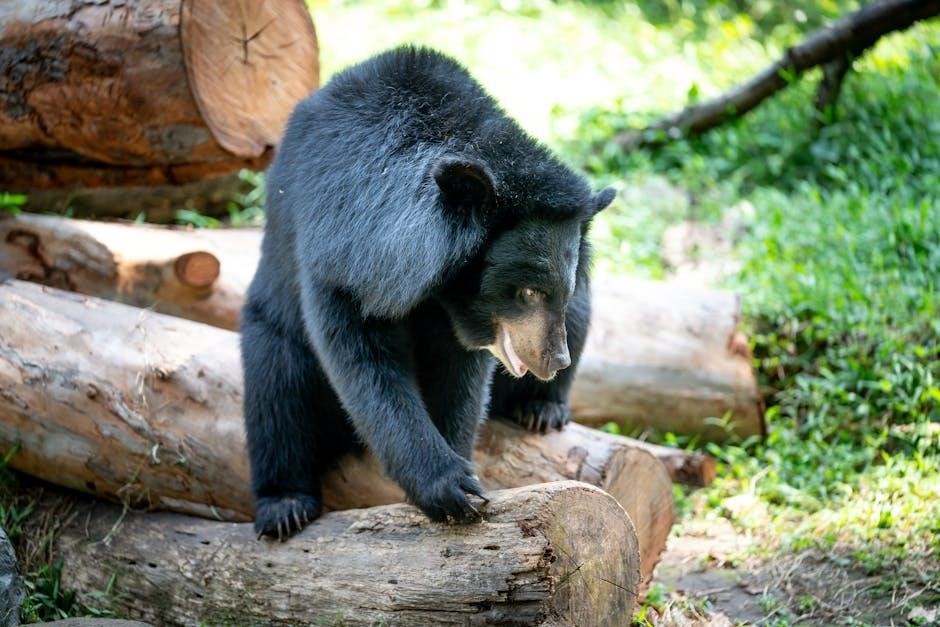
Similar to how the skeleton supports the body, fall hunts offer a solid foundation for a successful harvest. Guided fall hunts leverage the knowledge of bear movement patterns related to food sources and breeding behavior. Hunters should be prepared for cooler temperatures and potentially challenging hunting conditions. Ethical considerations are crucial, especially during the breeding season. Fall hunts present a fantastic opportunity to experience Michigan’s autumn beauty while pursuing a mature bear.
IV.C. Hound Hunts (Regulations & Considerations)
Hound hunting for bear in Michigan is a traditional method, but subject to specific regulations to ensure ethical and safe practices. Utilizing trained dogs to track and tree bears requires adherence to leash laws in certain areas and responsible dog handling. Hunters must maintain control of their hounds at all times and respect private property boundaries.
Like the skeletal system providing structure, hound hunts rely on a structured approach and teamwork. Michigan DNR guidelines dictate the number of hounds permitted per hunter and require hunters to have a clear line of sight to the treed bear before harvesting. Safety is paramount; hunters must be proficient in firearm handling and aware of their surroundings. Choosing an outfitter experienced in hound hunts is crucial for navigating regulations and maximizing success, while prioritizing the well-being of both the bear and the hounds.
V. Selecting a Reputable Michigan Bear Hunting Outfitter
Choosing the right outfitter is paramount for a successful and ethical Michigan bear hunt. Prioritize outfitters with demonstrable experience, ideally several years operating in the specific hunting zone you’re interested in. Seek out verifiable references from past clients – don’t hesitate to contact them directly to inquire about their experiences.
Success rates, while not guaranteed, offer insight into an outfitter’s proficiency. A reputable outfitter will transparently discuss their historical success rates and the factors influencing them. Like a strong skeletal system supports movement, a good outfitter supports a successful hunt. Inquire about services included: accommodation quality, meal provisions, transportation to and from hunting locations, and field dressing assistance. Compare package options carefully, considering what’s essential for your needs and budget. Ensure the outfitter is fully licensed and insured, demonstrating their commitment to professionalism and client safety.
V.A. Key Factors to Consider (Experience, References, Success Rates)
When vetting Michigan bear hunting outfitters, experience is a cornerstone. Years of operation within specific hunting zones demonstrate familiarity with bear behavior and local terrain. Don’t solely rely on advertised claims; actively seek verifiable references from previous hunters. Contact these references directly, posing detailed questions about their overall experience, the outfitter’s responsiveness, and the quality of the hunt.
Success rates, while not a definitive measure, provide valuable insight. A transparent outfitter will openly discuss their historical success rates, acknowledging factors influencing them – weather, bear population fluctuations, hunter skill levels. Like assessing the strength of a skeleton, evaluate these factors critically. Remember, a higher success rate doesn’t guarantee your success, but it indicates the outfitter’s knowledge and dedication to maximizing opportunities. Prioritize outfitters who prioritize ethical hunting practices and client satisfaction.
V.B. Outfitter Services Included (Accommodation, Meals, Transportation)
Understanding precisely what’s included in a Michigan bear hunt package is crucial. Accommodation varies significantly – from rustic cabins to comfortable lodges. Confirm bedding, bathroom facilities, and heating/cooling options. Meals are another key consideration; some outfitters provide full catering, while others offer cooking facilities for self-prepared meals. Clarify if meals are included during the actual hunt, as well as pre/post-hunt days.
Transportation logistics also demand attention. Does the package include airport pickup/drop-off? Is transportation provided to and from hunting locations daily? Some outfitters offer ATV or UTV access, while others require hunters to navigate on foot. Like the skeletal system supporting movement, reliable transportation is vital; Inquire about any additional costs for services not explicitly included, avoiding unexpected expenses. A detailed breakdown ensures a transparent and enjoyable hunting experience.
V.C. Cost Comparison and Package Options
Michigan guided bear hunt costs fluctuate widely, influenced by hunt duration, accommodation quality, and included services. Expect prices ranging from $2,500 to $6,000+ for a typical multi-day hunt. Package options often vary – some focus solely on the hunt itself, while others incorporate lodging, meals, and transportation. Comparing these options requires careful scrutiny.
Consider whether the price includes trophy care (skinning, caping, freezing). Some outfitters offer a la carte services, allowing customization but potentially increasing overall cost. Like assessing the diverse tissues of the skeletal system, evaluate each component. Don’t solely focus on the base price; factor in licensing fees, travel expenses, and potential gratuities. Request detailed quotes from multiple outfitters, outlining all inclusions and exclusions. A thorough cost comparison ensures you secure the best value for your investment and hunting goals.
VI. Preparing for Your Michigan Bear Hunt
Successful Michigan bear hunting demands thorough preparation. Physical conditioning is paramount; bear hunts often involve extended periods of walking and navigating rugged terrain. Focus on cardiovascular fitness and strength training, building endurance for tracking and potentially dragging a harvested bear. Familiarize yourself with bear behavior – understanding their movements and feeding patterns significantly increases your chances.
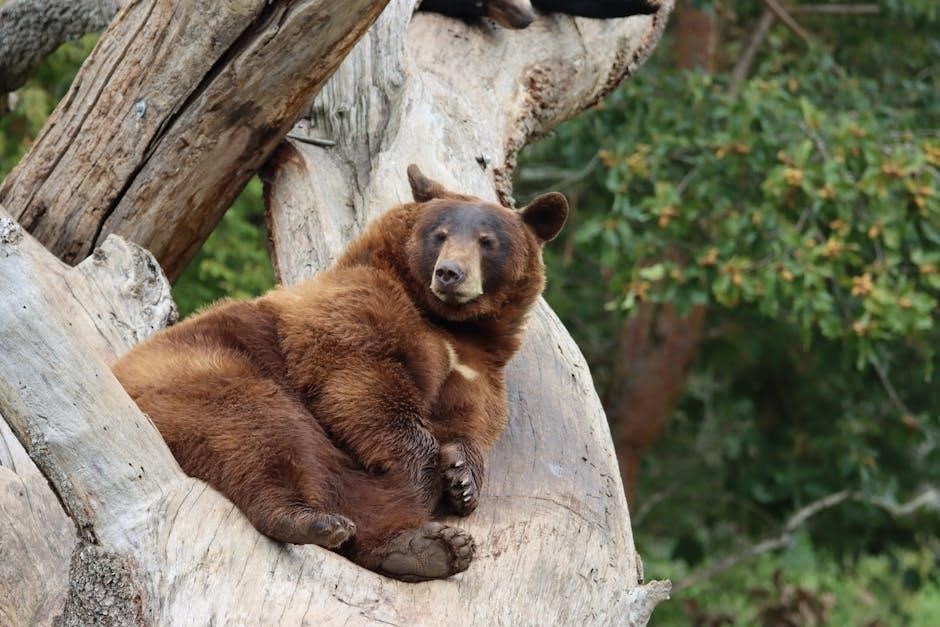
Essential gear includes a suitable firearm or bow, appropriate camouflage clothing, a quality rangefinder, and a comfortable backpack. Don’t overlook vital accessories like a hunting knife, game bags, and a first-aid kit. Like the skeletal system providing structure, proper gear provides support. Practice shooting regularly to maintain accuracy, and master essential skills like scent control and tracking techniques. A well-prepared hunter is a safe and effective hunter.
VI.A. Physical Conditioning and Training
Preparing physically for a Michigan bear hunt is crucial, mirroring the body’s skeletal system needing strength. Bear hunts often require navigating challenging terrain for extended periods, demanding significant stamina. Prioritize cardiovascular exercises like hiking, running, or cycling to build endurance. Incorporate strength training, focusing on legs, back, and core muscles – essential for packing out game.
Simulate hunting conditions during training. Hike with a weighted pack to mimic carrying gear, and practice walking long distances on uneven ground. Consider interval training to improve your ability to handle bursts of activity. Remember, a bear hunt isn’t a sedentary activity; it requires physical resilience. Adequate preparation minimizes fatigue and maximizes your focus in the field, increasing your chances of a successful and enjoyable hunt.
VI.B. Essential Hunting Gear and Equipment
A well-equipped hunter is a prepared hunter; Essential gear for a Michigan bear hunt includes a reliable firearm or bow, appropriate ammunition or arrows, and a quality rangefinder. Durable, waterproof hunting clothing is vital, considering Michigan’s unpredictable weather. Don’t forget sturdy hiking boots, broken in beforehand to prevent blisters.
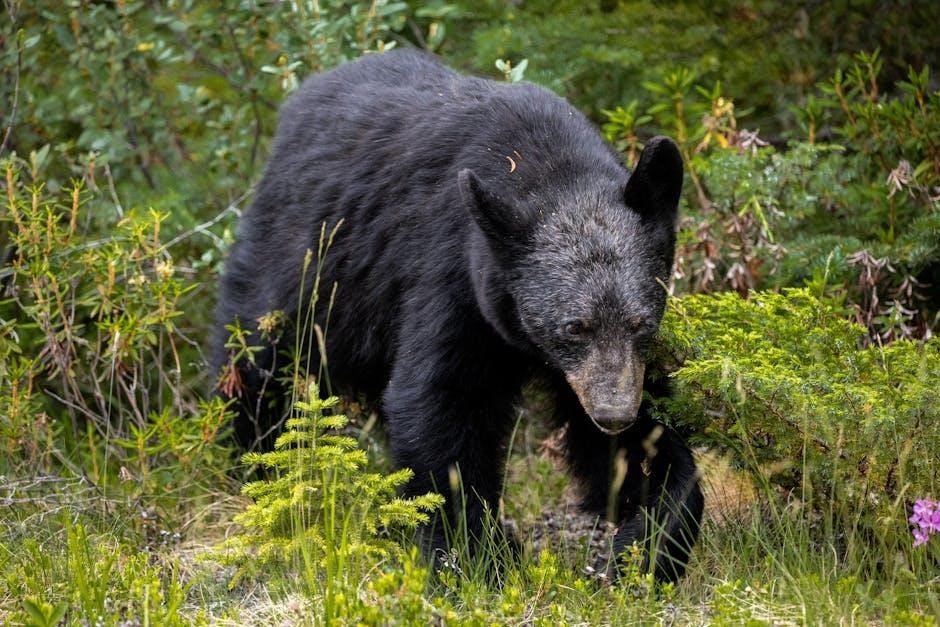
Other necessities include a hunting knife for field dressing, game bags for transporting meat, and a first-aid kit for emergencies. Binoculars are crucial for spotting bears at a distance. A compass or GPS device ensures you stay oriented in the wilderness. Bear spray is a recommended safety item. Finally, pack sufficient food and water to sustain you throughout the hunt, remembering the body, like a skeleton, needs fuel!
VI.C. Understanding Bear Behavior and Tracking Techniques
Successful bear hunting hinges on understanding bear behavior. Black bears are opportunistic omnivores, often following food sources like berries or spawning salmon. They establish travel corridors and bedding areas, making scouting crucial. Learning to identify bear sign – tracks, scat, rubs on trees, and claw marks – is paramount.
Tracking involves recognizing paw print size and gait patterns. A bear’s skeleton provides the structure for its movement, leaving distinct tracks. Pay attention to the freshness of sign; recent tracks indicate current activity. Understanding wind direction is vital to avoid alerting the bear to your presence. Be aware of their keen sense of smell and hearing. Patience and observation are key; a successful hunt requires respecting the animal and its environment.
VII. The Hunt Itself: Tactics and Strategies
Michigan bear hunts employ diverse tactics. Baiting, when legal, utilizes attractants like sweets or carrion to draw bears into a specific location. Still hunting involves patiently waiting near travel corridors or food sources, relying on observation and scent control. Spotting, often from elevated stands, provides a wider field of view.
Utilizing calls and scents can be effective, mimicking bear vocalizations or masking human odor. However, understanding legal restrictions regarding baiting and scent usage is crucial. A bear’s skeletal structure dictates its movement, so anticipate travel routes. Remember, ethical hunting prioritizes a quick, clean kill. Guided hunts often leverage the outfitter’s knowledge of local bear patterns and preferred hunting spots, maximizing hunter opportunity and success.
VII.A. Baiting Techniques (Legal Considerations)
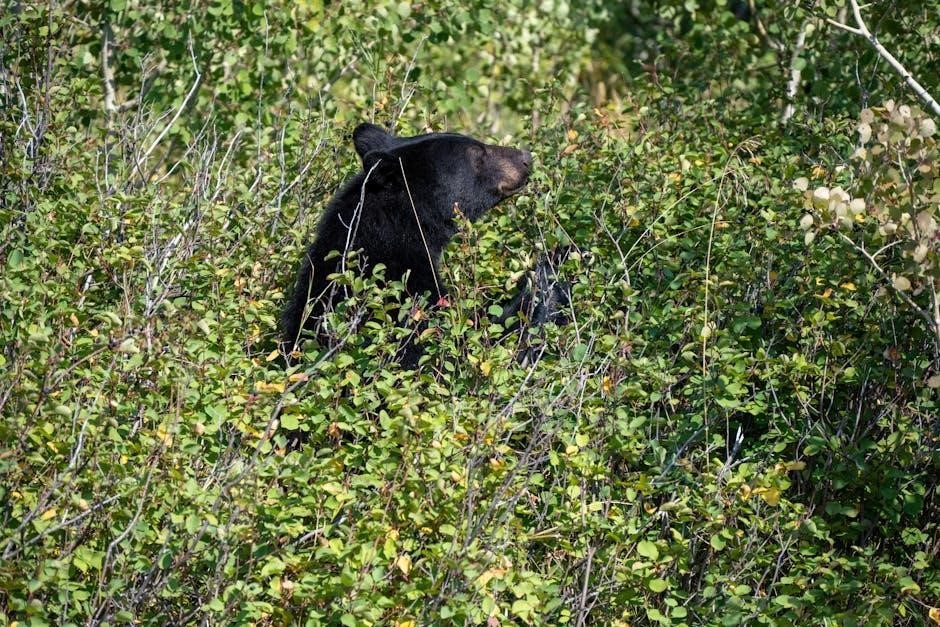
Baiting for bear in Michigan is a common tactic, but heavily regulated. Legal baits typically include non-processed foods like apples, corn, and carrion. Restrictions exist regarding bait placement – distance from trails, dwellings, and roadways are strictly enforced. Hunters must register bait sites with the DNR and adhere to specific baiting periods dictated by the season.
The purpose of baiting is to establish a consistent feeding location, drawing bears into a predictable pattern. However, it’s vital to understand that bears possess a strong skeletal structure and can navigate challenging terrain to reach bait. Hunters must be aware of potential bear behavior changes due to baiting and prioritize safety. Always check the latest Michigan DNR regulations for updated baiting rules and legal considerations before each hunt.
VII.B. Still Hunting and Spotting
Still hunting and spotting are effective methods for locating bears in Michigan’s diverse terrain. This involves patiently waiting in a strategic location, often near natural food sources or travel corridors. Success relies on understanding bear movement patterns and utilizing the landscape for concealment. A keen eye and knowledge of bear anatomy are crucial for identifying a suitable shot opportunity.
Spotting often complements still hunting, utilizing binoculars or spotting scopes to scan open areas like meadows or clearings. The skeletal system provides bears with agility, allowing them to move quickly through dense cover. Hunters should focus on identifying subtle movements or shapes that indicate a bear’s presence. Wind direction is paramount, as bears possess an excellent sense of smell. Patience and observation are key to successful still hunting and spotting.
VII.C. Utilizing Calls and Scents
Employing calls and scents can significantly increase your chances of attracting a bear during a Michigan hunt. While not universally effective, these techniques can pique a bear’s curiosity and draw it into shooting range. Bear-specific calls mimic distress sounds or vocalizations, potentially triggering a response. However, overuse can lead to call-shy bears, diminishing their effectiveness.
Scent lures, often containing food-based attractants, capitalize on a bear’s powerful sense of smell. Strategic placement downwind can carry the scent over a considerable distance. Understanding bear behavior is crucial; bears utilize their skeletal structure for efficient foraging. Legal restrictions regarding baiting and scent usage vary by zone, so hunters must adhere to Michigan DNR regulations. Combining calls and scents, alongside careful observation, can create a compelling setup for a successful hunt.
VIII. Bear Anatomy and Shot Placement
Understanding bear anatomy is paramount for ethical and effective hunting. A bear’s vital organs – heart and lungs – are located relatively far back in the chest cavity, requiring precise shot placement. The skeletal system provides a framework for locating these targets, but thick fur and muscle can obscure them. A double-lung shot generally results in a quick, humane kill, while a heart shot is also highly effective.
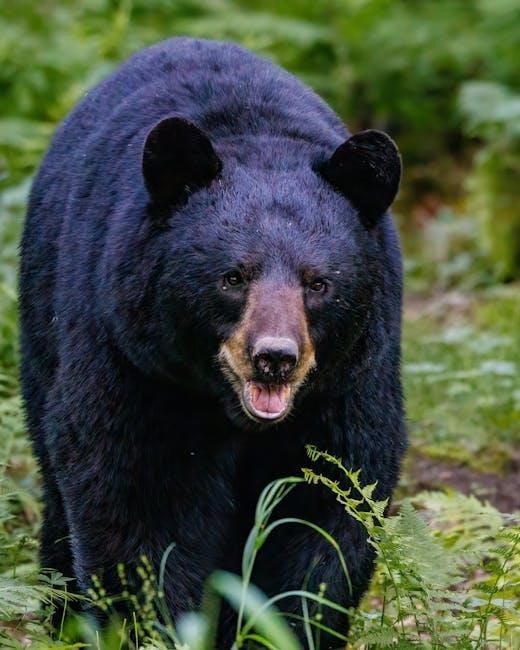
Avoid shooting at the shoulder, as it often results in a non-fatal wound. Shots angled too far forward can damage the digestive system without hitting vital organs. Knowing the bear’s skeletal structure aids in visualizing organ placement. Practice identifying anatomical landmarks on diagrams and, if possible, on harvested bears under the guidance of an experienced outfitter. Ethical shot selection minimizes suffering and ensures a swift, clean harvest.
IX. Field Dressing and Care of Your Bear
Prompt field dressing is crucial after a successful bear hunt to ensure meat quality. Begin by carefully skinning the bear, avoiding puncturing the internal organs. The skeletal structure provides guidance for efficient skinning. Once the carcass is opened, remove the entrails, being cautious of the scent glands. Thoroughly cool the carcass as quickly as possible, ideally by hanging it in a shaded, well-ventilated area.
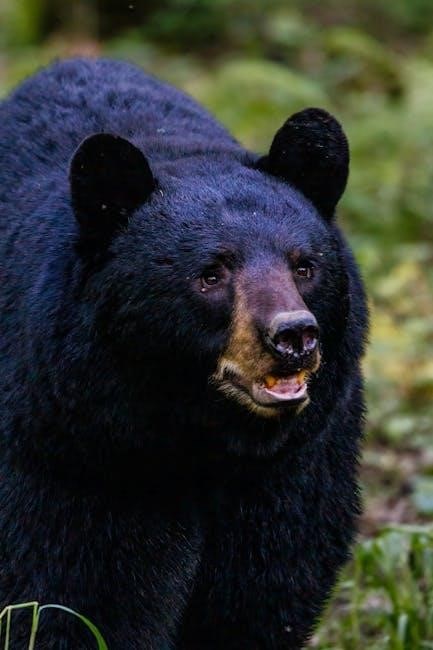
Proper cooling prevents spoilage and maintains the meat’s flavor. Remove the bear’s fat, as it can impart a gamey taste. Transport the carcass to a processing facility as soon as feasible, keeping it cool throughout the journey. Following these steps ensures the bear meat remains wholesome and enjoyable. Remember to adhere to Michigan DNR regulations regarding carcass transportation and disposal of remains.
X. Michigan DNR Resources for Bear Hunters
The Michigan Department of Natural Resources (DNR) provides extensive resources for bear hunters, essential for a safe and legal hunt. Their website (https://www.michigan.gov/dnr) offers detailed information on regulations, licensing, and bear hunting zones. Hunters can access the annual hunting digest, outlining season dates, legal hunting methods, and reporting requirements.
Online resources include interactive maps displaying bear management units and quota information. The DNR also offers educational materials on bear behavior, safety precautions, and responsible hunting practices. Furthermore, they provide contact information for local wildlife biologists who can answer specific questions. Understanding the skeletal structure of a bear aids in proper field dressing, as detailed in DNR guides. Staying informed with these resources ensures a successful and ethical hunting experience in Michigan.