
Tikki Tikki Tembo: A Comprehensive Overview (as of 04/21/2026)
Currently, as of today’s date, obtaining a “Tikki Tikki Tembo book PDF” requires careful consideration regarding legality and ethical sourcing practices․
Numerous editions,
with varying ISBNs, are available for legitimate purchase through retailers like Amazon and Barnes & Noble․
The Origins of the Story

The narrative underpinning Tikki Tikki Tembo isn’t a wholly original creation, but rather a vibrant re-telling of an ancient Chinese folktale․ This tale, passed down through generations, centers around the perils of bestowing excessively long and honorable names upon children․
Arlene Mosel meticulously researched and adapted this traditional story, drawing upon existing oral traditions and cultural nuances․ While the precise origins within Chinese folklore are difficult to pinpoint to a single source, the core concept of a lengthy name causing difficulty in emergency situations is a recurring motif․
The story’s enduring appeal stems from its universal themes of respect for tradition, the potential consequences of vanity, and the importance of caution․ Mosel’s adaptation skillfully captures the rhythmic quality of the name, making it both memorable and integral to the plot․ The tale serves as a cautionary lesson, playfully illustrating the practical challenges associated with an overly elaborate moniker․
It’s important to note that the book isn’t a direct translation of a specific Chinese text, but a creative interpretation inspired by the broader cultural context of Chinese naming conventions and folklore․
Ancient Chinese Folktale Roots
The foundation of Tikki Tikki Tembo lies deeply embedded within the rich tapestry of ancient Chinese folklore․ While a singular, definitive origin story remains elusive, the core concept – a child burdened with an excessively long name facing peril – resonates throughout various regional tales․ These narratives often served as moral lessons, emphasizing the importance of practicality and humility․

Historically, Chinese names held profound significance, reflecting family lineage, social status, and hopes for the future․ However, excessively lengthy names, while demonstrating respect and honor, could present logistical challenges, particularly in urgent situations․ This practical concern forms the crux of the folktale․
The tale’s prevalence suggests it wasn’t confined to a single province or dynasty, but rather evolved organically through oral transmission․ Variations likely existed, adapting to local customs and storytelling traditions․ Arlene Mosel drew inspiration from these diverse sources, crafting a cohesive narrative that captured the essence of the original folktale․
The enduring power of this ancient motif speaks to its universal appeal, transcending cultural boundaries and resonating with audiences of all ages․
Authorship: Arlene Mosel and Blair Lent
Tikki Tikki Tembo is a celebrated collaboration between author Arlene Mosel (1921-1996) and illustrator Blair Lent․ Mosel, a prolific writer of children’s literature, possessed a remarkable ability to adapt and retell folktales from around the world, imbuing them with accessibility and charm․ Her debut, Tikki Tikki Tembo, quickly established her as a significant voice in children’s publishing, earning an American Library Association Notable Book award and the Boston Globe-Horn Book Award․
Blair Lent’s distinctive illustrations played a crucial role in the book’s success․ His artwork, characterized by bold lines and vibrant colors, perfectly captured the energy and drama of the story․ Lent’s visual interpretation brought the ancient Chinese setting and the characters to life for young readers․
The synergy between Mosel’s storytelling and Lent’s artistry created a timeless classic․ Their combined talents ensured that the folktale resonated with generations of children, fostering a love of reading and an appreciation for diverse cultures․ Marcia Gay Harden’s reading further enhances the experience․
Arlene Mosel’s Background and Contributions
Arlene Mosel, born in 1921 and passing in 1996, dedicated her life to crafting engaging and culturally sensitive children’s literature․ She possessed a unique talent for transforming traditional folktales into accessible narratives for young audiences․ Tikki Tikki Tembo, her debut children’s book, stands as a testament to her skill and remains a beloved classic to this day․
Mosel’s work wasn’t simply about retelling stories; it was about introducing children to diverse cultures and promoting understanding․ She meticulously researched the folktales she adapted, ensuring authenticity while maintaining a captivating storytelling style․ Her commitment to quality earned her recognition, including the prestigious Boston Globe-Horn Book Award for Tikki Tikki Tembo․
Beyond Tikki Tikki Tembo, Mosel authored numerous other acclaimed books, consistently demonstrating her dedication to enriching children’s lives through literature․ Her legacy continues to inspire authors and educators alike, solidifying her place as a significant figure in the world of children’s books․ Marcia Gay Harden’s reading adds to the book’s appeal․
Blair Lent’s Role as Illustrator
Blair Lent, the talented illustrator behind Tikki Tikki Tembo, played a crucial role in bringing Arlene Mosel’s story to life․ His illustrations aren’t merely decorative; they are integral to the narrative, enhancing the story’s cultural context and emotional impact․ Lent’s artistic style perfectly complements Mosel’s storytelling, creating a cohesive and immersive reading experience for children․
Lent’s illustrations capture the essence of the ancient Chinese folktale, utilizing a distinctive visual language that resonates with young readers․ His depictions of the characters and settings are both whimsical and respectful, reflecting a deep understanding of the story’s origins․ He currently resides in Cambridge, Massachusetts, continuing his artistic pursuits․
The collaboration between Lent and Mosel proved exceptionally fruitful, resulting in a book that has captivated generations․ His artwork, combined with Mosel’s narrative, ensures that Tikki Tikki Tembo remains a visually stunning and culturally significant piece of children’s literature․

The Book’s Narrative and Themes
The core narrative centers on a remarkably long Chinese name and the ensuing chaos when the child falls into the well, highlighting themes of respect, tradition, and caution․
The Core Storyline: A Name Too Long
The central plot of Tikki Tikki Tembo revolves around two Chinese boys, one given a lengthy and honorable name – Tikki tikki tembo-no sa rembo-chari bari ruchi-pip peri pembo – and the other a short, simple one, Chang․ The narrative dramatically unfolds when both boys tumble into a well․
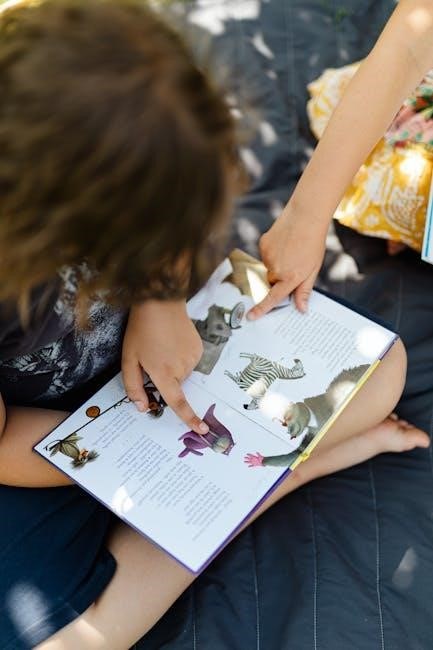
The story emphasizes the significant difficulty in rescuing Tikki Tikki Tembo due to the sheer length of his name; it takes an extended period to call for help, creating suspense and humor․ Conversely, Chang is quickly rescued because his name is easily spoken․
This contrast serves as a cautionary tale, illustrating the impracticality and potential danger associated with excessively long names․ The tale, rooted in ancient Chinese folklore, is presented in a captivating manner, engaging young readers with its rhythmic language and memorable characters․ The book’s enduring appeal lies in its ability to entertain while subtly conveying important cultural lessons․
The Significance of the Name “Tikki Tikki Tembo”
The extraordinarily long name, “Tikki tikki tembo-no sa rembo-chari bari ruchi-pip peri pembo,” isn’t merely a linguistic challenge; it embodies a cultural reverence for honoring one’s ancestors and bestowing blessings upon a child․ In the story, the elaborate name signifies a family’s deep respect and desire for a prosperous future for their son․
However, the narrative cleverly juxtaposes this cultural significance with the practical difficulties the name presents in a crisis․ The length becomes a source of comedic tension, highlighting the potential drawbacks of prioritizing tradition over practicality․
The name’s memorability is central to the book’s success, encouraging children to repeat and playfully grapple with its syllables․ It serves as a vehicle for exploring themes of identity, cultural heritage, and the balance between honoring tradition and ensuring safety․ The name itself is the story’s core element․
Themes of Respect, Tradition, and Caution
“Tikki Tikki Tembo” masterfully weaves together several interconnected themes․ Respect for elders and cultural traditions is paramount, demonstrated through the elaborate naming ceremony and the significance attached to the lengthy name itself․ The story subtly emphasizes the importance of honoring ancestral customs, even when they present challenges․
However, the narrative doesn’t blindly celebrate tradition․ It introduces a cautionary element, illustrating how an overemphasis on formality can have unintended consequences – in this case, a potentially fatal delay in rescuing a child․ This highlights the need for balance and practical consideration․
The tale also subtly promotes caution and preparedness․ The mother’s foresight in naming her second son a shorter, simpler name underscores the value of anticipating potential problems and having a backup plan․ Ultimately, the book encourages thoughtful engagement with tradition, rather than unquestioning adherence․
The Danger of Vanity and Long Names
While not explicitly stated, the story subtly critiques the potential for vanity in prioritizing elaborate displays over practical considerations․ The initial emphasis on bestowing an exceptionally honorable, albeit cumbersome, name upon Tikki Tikki Tembo suggests a desire for social prestige and a demonstration of wealth or status․

The core conflict – the difficulty in summoning help due to the name’s length – directly illustrates the dangers of prioritizing appearance over functionality․ The prolonged recitation becomes a life-or-death obstacle, highlighting how excessive formality can have severe consequences․
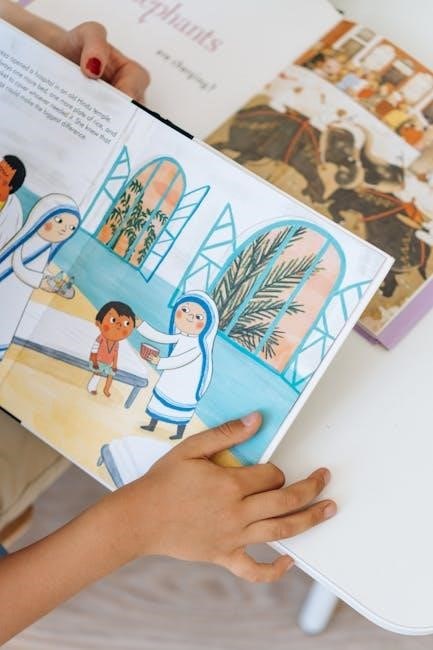
The narrative implicitly argues that true honor lies not in ostentatious displays, but in responsible parenting and ensuring a child’s safety․ The contrasting simplicity of the second son’s name serves as a pointed reminder of the value of practicality and foresight․ The book’s enduring appeal stems, in part, from this nuanced exploration of societal values․
Publication History and Editions
First published in 1968, “Tikki Tikki Tembo” quickly became a bestseller, available in both hardcover and paperback formats with diverse ISBNs․
Its continued
popularity ensures ongoing editions․
First Publication and Initial Reception (1968)
Released in 1968, Tikki Tikki Tembo immediately resonated with readers, quickly establishing itself as a beloved children’s classic․ The initial reception was overwhelmingly positive, with critics and parents alike praising Arlene Mosel’s captivating retelling of the ancient Chinese folktale and Blair Lent’s vibrant illustrations․
The book’s unique narrative structure, centered around the extraordinarily long name of the protagonist, instantly captured the imaginations of young audiences․ It became a staple in classrooms and libraries across the United States, fostering a love for storytelling and introducing children to different cultures․
While the concept of searching for a “Tikki Tikki Tembo book PDF” is a modern phenomenon, stemming from the digital age, the book’s enduring appeal was evident from its very beginning․ The initial print runs sold rapidly, necessitating subsequent editions to meet the growing demand․ The book was recognized as an American Library Association Notable Book and won the prestigious Boston Globe-Horn Book Award, solidifying its place in children’s literature history․
Different ISBNs and Formats (Paperback, Hardcover)
Throughout its publication history, Tikki Tikki Tembo has been released in various formats, each identified by a unique International Standard Book Number (ISBN)․ Early editions featured hardcover bindings, while subsequent releases introduced more affordable paperback versions to broaden accessibility․
Currently, several ISBNs are associated with the book, including 9781427207241, 9780312367480, 8580001053387, and 9780805006629, reflecting different publishers, printings, and formats․ The availability of a “Tikki Tikki Tembo book PDF” does not negate the importance of supporting the authors and publishers by purchasing legitimate copies․
These varying ISBNs can be found on online retailers like Amazon and Barnes & Noble, offering consumers choices based on preference and budget․ The continued availability of both hardcover and paperback editions demonstrates the book’s sustained popularity and enduring appeal across generations․ Seeking a PDF should always be balanced with respecting copyright and authorial rights․
Awards and Recognition (Boston Globe-Horn Book Award)
The prestigious Boston Globe-Horn Book Award stands as a testament to the literary merit of Tikki Tikki Tembo, recognizing it as an outstanding contribution to children’s literature․ Awarded in 1968, this accolade significantly boosted the book’s profile and cemented its place as a classic within the genre․
This recognition, coupled with its status as a bestseller since its initial publication, explains the continued interest in finding a “Tikki Tikki Tembo book PDF” today․ However, the book’s award-winning status underscores the importance of supporting the creators by acquiring authorized copies․
Arlene Mosel’s debut work was also designated an American Library Association Notable Book, further validating its quality and impact․ The enduring legacy of these awards contributes to the book’s continued relevance and the desire to share its story with new audiences, though always through legal and ethical means, rather than unauthorized PDF downloads․
Legacy and Continued Popularity
Tikki Tikki Tembo has demonstrably maintained its popularity across generations, captivating children, teachers, and parents alike since 1968․ This enduring appeal explains the persistent online searches for a “Tikki Tikki Tembo book PDF,” as individuals seek convenient access to this beloved tale․
The book’s continued presence in classrooms and libraries speaks volumes about its lasting impact․ Arlene Mosel’s storytelling and Blair Lent’s illustrations have created a timeless classic, revisited repeatedly by families eager to share the cautionary tale of the long name․
Despite the convenience of digital formats, supporting the authors and publishers through official purchases remains crucial․ The book’s legacy is best preserved through legitimate channels, ensuring continued availability and recognition for this significant work of children’s literature, rather than relying on potentially illegal PDF downloads․

Finding a “Tikki Tikki Tembo Book PDF”
Searching for a PDF version raises legal and ethical concerns; purchasing from official sources—like Amazon or Barnes & Noble—is the recommended and responsible approach․
Legality and Ethical Considerations of PDF Downloads
Downloading a PDF of “Tikki Tikki Tembo” from unofficial sources presents significant legal and ethical challenges․ Copyright law protects Arlene Mosel and Blair Lent’s work, meaning unauthorized distribution constitutes infringement․ Accessing a free PDF without proper licensing violates these protections, potentially leading to legal repercussions for the downloader․
Furthermore, ethically, supporting authors and illustrators is crucial for fostering continued creativity and quality literature․ Purchasing the book—in paperback, hardcover, or legitimate digital formats—directly compensates the creators for their work․ Unofficial PDFs often lack quality control, potentially containing errors or incomplete content․
Many websites offering free PDFs may also harbor malware or viruses, posing a security risk to your device․ Prioritizing legal and ethical acquisition methods ensures you receive a safe, high-quality product while respecting the rights of the creators․ Consider supporting libraries or purchasing directly from retailers to enjoy this classic tale responsibly․

Official Sources for Purchasing the Book
For a legitimate and ethical purchase of “Tikki Tikki Tembo,” several official sources are readily available․ Amazon․com consistently offers various editions, identified by different ISBNs – 9781427207241, 9780312367480, 8580001053387, and 9780805006629 – in both physical and digital formats․ Barnes & Noble also provides the paperback edition, ensuring a reliable source for this beloved children’s book․
These retailers guarantee a high-quality product and directly support Arlene Mosel and Blair Lent’s legacy․ Exploring these platforms allows you to choose the format that best suits your needs, whether it’s a durable hardcover for repeated readings or a convenient paperback for travel․
Furthermore, checking with your local library is an excellent option for borrowing a copy․ Supporting these official channels ensures the continued availability and appreciation of this timeless folktale for generations to come, bypassing the risks associated with unofficial PDF downloads․