
Discover how a blank GEICO insurance card template PDF can simplify policy updates. These fillable forms let you enter personal and vehicle details, ensuring accuracy before printing. Download from official or trusted PDF sites, then verify data to avoid verification delays. Keep the PDF in a secure folder.
What Is a GEICO Insurance Card?
A GEICO insurance card is a physical or digital document that verifies a vehicle’s coverage under a GEICO policy. It typically displays the policyholder’s name, policy number, vehicle identification number (VIN), and the effective dates of coverage. The card also includes a QR code or barcode that can be scanned by law enforcement or insurance agents to quickly confirm the policy’s validity. While the card’s design may vary slightly between personal and commercial policies, its primary purpose remains the same: to provide proof of insurance that meets state legal requirements. Many drivers keep a printed copy in their vehicle’s glove compartment, while others opt for a mobile version stored in a phone or cloud service for easy access during roadside checks or insurance audits. The card’s information is generated automatically by GEICO’s system once a policy is issued, and it can be updated through the online portal or by contacting customer service if any details change. To ensure the card remains valid, it is essential to update it promptly whenever you change your address, vehicle make or model, or insurance coverage limits; failure to do so may result in penalties or denial of coverage during an inspection, and some states require that the card be displayed in the vehicle at all times, so keeping a recent, accurate copy—whether printed or stored digitally—helps avoid legal complications and facilitates quick verification by law enforcement or insurance agents promptly!!!.
Using a blank GEICO insurance card template PDF lets you enter your policy and vehicle data directly before printing, cutting down transcription errors that can arise when copying from online portals. By editing the file yourself, you verify the policy number, VIN, coverage dates, and contact details, ensuring the card meets state‑required proof of insurance standards. A blank template also gives you flexibility to update the card whenever you change your address, add a new vehicle, or modify coverage limits. Instead of waiting for a mailed replacement, you can open the PDF, adjust fields, and print a fresh copy in minutes. Many insurers, including GEICO, provide the template in a fillable format that can be signed electronically or with a digital signature, streamlining the process and saving paper. Having a ready‑to‑print template means you always have a backup copy in case the original card is lost, damaged, or misplaced. Store the PDF on a USB drive, cloud storage, or a dedicated folder on your computer, making it easy to retrieve during roadside inspections or traffic stops. Using a blank template helps keep records organized; you can create a folder for each policy, label the PDFs with the policy number, and maintain a clear audit trail for renewals or claims. By leveraging a fillable PDF, you combine convenience, accuracy, and compliance in one simple tool, ensuring that your GEICO insurance card is always up‑to‑date and legally valid. Download the template from GEICO’s official portal for the most up‑to‑date version.

Obtaining the Template
To acquire a blank GEICO insurance card template PDF, visit GEICO’s official website or authorized PDF repositories. Search “GEICO insurance card template PDF” and download the fillable file. Verify the file’s authenticity by checking the publisher’s name and digital signature before use. Keep it safe.

Official GEICO Sources
For a legitimate blank GEICO insurance card template PDF, the safest route is to start at GEICO’s own digital portal. Log into your account on the official GEICO website, navigate to the “My Policy” section, and look for the “Insurance Card” or “Download Card” option. GEICO frequently offers a fill‑able PDF that you can print directly from the browser or save to your device. Another reliable source is the GEICO mobile app, which includes a “Card” tab that displays a digital version of your insurance card. The app often allows you to export the card as a PDF, ensuring that the file is up‑to‑date and verified by GEICO’s secure servers; Always verify that the PDF file’s author metadata lists “GEICO” and that the file size matches typical form dimensions (around 200 KB). By using these official channels, you reduce the risk of downloading a corrupted or tampered document that could cause verification delays or legal complications. The PDF also contains a QR code for instant verification, streamlining claims and reducing paperwork and filing!!
These official PDFs are signed by GEICO’s digital signature and can be verified through the GEICO verification portal. Printing from the official source ensures compliance with state insurance regulations and avoids the risk of counterfeit documents. Note:The PDF is also available in PDF/A format. It can be stored for future reference.
Additionally, GEICO’s customer portal allows you to request a replacement card if you lose it, and the new PDF will be generated automatically. Always double‑check the policy number and expiration date before printing to avoid any discrepancies during an audit.

Third-Party PDF Resources

When the official GEICO portal is unavailable or you prefer a quick download, several reputable third‑party sites host blank GEICO insurance card templates in PDF format. These sites typically offer the same fill‑able fields as the official version, allowing you to enter your name, policy number, vehicle details, and expiration date before printing. Popular platforms include pdfFiller, CocoDoc, and PDF‑Editor.com. Each of these services provides a secure download link and often includes a preview to confirm the layout matches GEICO’s standard card design. Before downloading, verify that the file size is within the expected range (usually 150‑250 KB) and that the file extension is .pdf. Always ensure the source uses HTTPS to protect against tampering and to confirm the integrity of the document. Once downloaded, open the PDF with a trusted viewer such as Adobe Acrobat Reader or Foxit Reader to confirm that the form fields are active and that the QR code is present. Additionally, scan the QR code with a smartphone app to quickly verify coverage status, ensuring the card is accepted by law enforcement and insurance agents alike. After filling in the required information, save the completed file and print it on high‑quality paper or cardstock for durability. Keep a digital backup in a secure location, such as a cloud storage service with encryption, to avoid losing the card if the physical copy is misplaced. For extra security, keep the PDF in a password‑protected zip file.
Preparing the Template
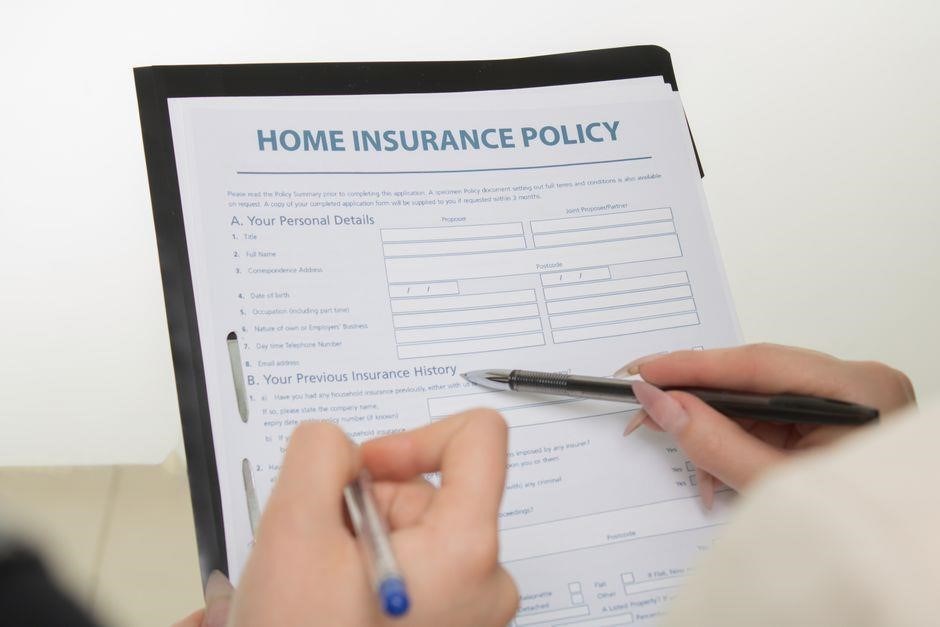
Fill the blank GEICO card PDF with accurate policy, vehicle, and personal data. Verify each field, double‑check policy numbers, and ensure the QR code remains intact. Save the completed file, print on sturdy paper, and store both digital and physical copies securely. Keep the PDF encrypted for safety!!!
Filling in Personal and Vehicle Details
Start by opening the blank GEICO card PDF in a PDF editor or online form filler. Enter your full legal name, address, and phone number in the designated fields. Next, input your policy number exactly as it appears on your official policy statement; a single misplaced digit can invalidate the card. For vehicle information, provide the VIN, make, model, year, and license plate number. Double‑check each entry against the insurance documents to avoid typos. Once all fields are completed, review the QR code area—ensure it remains clear and scannable, as many agencies use it for instant verification. Save the filled PDF, then print it on high‑quality paper or a durable card stock. Finally, store the printed card in a safe place and keep a digital backup encrypted on a secure drive or cloud service. This process guarantees that your GEICO card is accurate, compliant, and ready for use whenever required.
When you print the card, use a high‑resolution printer and choose a matte finish to reduce glare. If you prefer a durable card, consider printing on plastic or laminated paper. Store the card in a wallet or a dedicated insurance folder, and keep a digital copy on a password‑protected device. In case of loss, report it immediately to GEICO and request a replacement. Always verify that the QR code scans correctly before using the card at a police checkpoint or rental agency. Keep the card after address or vehicle change; new data can cause verification delays checkpoints.!!

Ensuring Accuracy and Avoiding Typos
When you fill a blank GEICO card PDF, precision matters. Begin by reviewing the policy statement to confirm every number: policy ID, VIN, and coverage dates. Type each field carefully, using the exact case and spacing. A common mistake is transposing the last digit of the policy number, which can trigger a denial at a checkpoint. After entering data, use the PDF’s “Validate” function if available, or manually cross‑check against the original documents. Pay special attention to the vehicle’s make and model; a typo like “Civic” instead of “Civic” (same word but different case) may still pass, but “Civic” versus “Civick” will not. For the license plate, ensure the format matches the state’s requirement—some states include dashes or spaces that must be replicated. When the QR code area is filled, verify that the code remains clear; any smudge or misprint can render it unreadable. Once the form is complete, print a test copy on plain paper to check legibility before printing the final version on card stock. Store the PDF in a secure folder and keep a backup copy on an encrypted USB drive. If you notice a typo after printing, contact GEICO immediately to request a replacement, as an incorrect card can lead to fines or denial of service. By following these steps, you maintain a reliable, verifiable insurance card that meets regulatory standards and protects you on the road. For digital backups, use a secure cloud with two‑factor authentication and schedule periodic checks to confirm the PDF remains intact and readable. This proactive step prevents inconveniences and ensures compliance with state verification rules.dailynow

Legal and Ethical Considerations
Using a blank GEICO card PDF must comply with state law. Unauthorized use or alteration can be illegal, leading to fines or criminal charges. Always obtain the template from official sources, and never create or distribute fake cards for fraudulent purposes.

Legality of Using Blank Templates
Legality of using a blank GEICO insurance card template PDF hinges on compliance with federal and state statutes governing insurance documentation. While the template itself is a tool, its application can cross legal boundaries if misused. The U.S. Department of Transportation and state insurance departments mandate that any printed card must match the insurer’s official issuance. Altering a blank form to resemble an official card, or using it to conceal non‑coverage, constitutes fraud and can trigger civil penalties, license revocation, and criminal prosecution. Conversely, legitimate use—such as filling in accurate policy data and printing the card for personal reference—remains lawful provided the card is not presented as an official document to third parties. To mitigate risk, obtain the template directly from GEICO’s verified website or authorized PDF repositories, verify the authenticity of the PDF, and avoid sharing the file with individuals who may misuse it. Always store the completed card in a secure location and keep a digital backup. When in doubt, consult legal counsel or contact GEICO’s compliance department for guidance.Thanks
Risks of Misuse
Using a blank GEICO insurance card template PDF beyond its intended purpose can expose individuals and businesses to a spectrum of legal, financial, and reputational hazards. The primary danger is the potential for fraudulent activity. If a template is altered to display a policy number that does not belong to the user, or if it is presented to law‑enforcement, insurance agents, or roadside assistance as an official document, the user may be charged with insurance fraud under federal statutes such as 18 U.S.C. § 1347. Even unintentional misrepresentation can trigger civil claims, including rescission of coverage, denial of claims, and punitive damages. Additionally, misuse can compromise personal data. A blank template may contain placeholders for sensitive information; if the file is shared or stored insecurely, identity thieves can harvest policy numbers, vehicle details, and personal identifiers, leading to identity theft or unauthorized access to financial accounts. Employers who distribute unverified copies to employees risk violating the Fair Credit Reporting Act (FCRA) if the card is used in background checks. From a compliance standpoint, many states require that insurance cards be issued only by the insurer or its licensed agents. Distributing a self‑generated card can breach state insurance regulations, resulting in fines, license suspension, or civil penalties. Finally, repeated misuse erodes trust between the insurer and policyholders, potentially causing policy cancellations and loss of market share for the insurer. To mitigate these risks, users should only print the card after official confirmation from GEICO, keep the PDF in a password‑protected location, and refrain from sharing it with third parties who might misuse the information.

Best Practices for Printing and Storage
When printing a blank GEICO insurance card template PDF, begin by verifying that the form is fully populated and free of errors. Use a high‑resolution printer and a durable, non‑glossy paper stock to ensure the card’s barcode text remain legible. After printing, trim the edges carefully to avoid any excess material that could interfere with scanning devices. Store the physical card in a protective sleeve or plastic card holder to prevent wear, moisture, and accidental tearing. For digital copies, save the completed PDF in an encrypted folder on your computer, and back it up to a secure cloud service that offers two‑factor authentication. Maintain a single master copy; if you need to re‑print, use the original file rather than a photocopy to avoid discrepancies. When disposing of obsolete cards, shred the paper to protect personal data. Keep a log of when the card was printed, who accessed it, and any changes made. Finally, review the card periodically—ideally every six months—to confirm that all information remains current, and update the PDF if your policy, address, or vehicle details change. Following these steps helps prevent misidentification at roadside assistance, insurance claims, or law‑enforcement encounters, and protects both the policyholder and the insurer from potential fraud or liability issues.
Adhering to these guidelines not only safeguards your personal data but also ensures compliance with state insurance mandates, reducing the likelihood of policy disputes and facilitating smoother interactions with roadside assistance teams. Stay safe