
Overview of Starbucks Receipts
Starbucks receipts come in physical and digital formats. The digital PDF version is preferred for record‑keeping, allowing easy sharing and archiving. Users can access PDFs via the app, email, or in‑store printing. It can be saved for tax purposes.!!
Physical vs Digital Receipts
When you purchase at a Starbucks location, the cashier can issue a paper receipt that is printed on a thermal printer. This physical copy contains the transaction date, time, item list, taxes, and the store’s contact details. It is useful for quick reference and for customers who prefer tangible proof of purchase. However, paper receipts are susceptible to loss, damage, and environmental degradation over time. The choice between physical and digital receipts can also affect data privacy, as digital copies can be encrypted and stored securely. Some stores offer a QR code on the paper receipt that links to the digital version for added convenience.
Digital receipts, on the other hand, are generated by the Starbucks mobile app or via email after a transaction. The app captures the same information as the paper version but stores it in a searchable PDF format. Users can view, download, or forward the PDF to accounting software, expense trackers, or cloud storage services. Digital receipts are also more eco‑friendly, reducing paper waste. Customers can also opt to receive a copy via SMS, which is then converted into a PDF by the Starbucks system.
Customers can choose between the two by selecting “Print receipt” on the app or requesting a paper copy at the register. The digital version is automatically linked to the user’s Starbucks Rewards account, allowing seamless integration with loyalty points and personalized offers. For businesses, digital PDFs provide a convenient audit trail and simplify expense reporting.

Importance of PDF Format
PDF receipts from Starbucks offer a standardized format that preserves the layout, fonts, and embedded QR codes exactly as they appear on the original printout. Because PDFs are self‑contained, they can be opened on any operating system—Windows, macOS, Linux, iOS, Android—without the need for proprietary software. This cross‑platform compatibility is essential for employees who must submit expense reports to corporate accounting systems that typically accept PDFs as the default file type. Additionally, PDFs support encryption and password protection, allowing users to secure sensitive transaction details such as credit‑card numbers or personal loyalty identifiers. The format also facilitates automated data extraction; many expense‑tracking tools can parse the PDF’s text layer to populate fields like date, amount, and merchant name, reducing manual entry errors. For auditors, a PDF provides a tamper‑evident record: any alteration of the file triggers a checksum mismatch, alerting reviewers to potential fraud. Finally, PDF files are lightweight and compressible, making them ideal for email attachments or cloud uploads, which helps keep storage costs low while ensuring that receipts remain accessible for years to come.!!

Obtaining a PDF Receipt from Starbucks
Starbucks offers several ways to get a PDF receipt: print in‑store, download via the mobile app, or request an email copy. The PDF preserves transaction details and is ready for expense reports or tax records. Users can share via cloud or print.!!
In-Store Printing Options
When you finish a purchase, the cashier can provide a paper receipt that you can scan or photograph. If you prefer a PDF, you can request a digital copy through the Starbucks mobile app or ask the barista to email it to you. Many stores also have self‑service kiosks where you can pull a printed receipt and then use a free app on your phone to convert it to PDF. Some locations offer a “Print Receipt” button on the POS screen, which sends the document to the store printer; you can then copy the file to a USB drive or use the on‑screen “Save as PDF” option if the system supports it. For travelers or frequent users, the app’s “Order History” page lets you view past orders and download each receipt as a PDF directly to your device. If the store’s system does not support PDF export, you can use a third‑party scanner app to capture the printed receipt and automatically generate a PDF. Always keep the receipt in a secure folder or cloud storage for future reference or reimbursement. If you prefer a hard copy, you can request a duplicate print from the POS or use the store’s tablet to capture a screenshot, then convert it to PDF with a built‑in tool. Some locations provide a QR code linking to a PDF hosted on Starbucks’ servers. The kiosk to print a PDF.
Mobile App Digital Receipts
The Starbucks mobile app automatically logs every transaction and stores a digital receipt in the order history. After a purchase, the app displays a confirmation screen that includes a PDF icon. Tapping this icon opens a full‑page view of the receipt, which can be saved directly to the device or shared via email, messaging, or cloud services. Users can also enable the “Send receipt” setting in the app’s preferences to have a PDF emailed to the registered address each time a transaction occurs. For those who prefer offline access, the receipt can be exported as a PDF file and stored in the phone’s gallery or a dedicated receipts folder. The app’s built‑in “Save as PDF” function ensures the receipt retains its original formatting, including barcodes, transaction details, and store information. This feature is especially useful for expense tracking, tax deductions, or corporate reimbursement. If the device is running iOS or Android, the PDF can be opened with the native viewer or any third‑party PDF reader. The app also offers a “Print” option that sends the PDF to a nearby printer via Wi‑Fi or Bluetooth, allowing a physical copy without leaving the store. For privacy, the PDF can be password‑protected using the app’s security settings before sharing or storing it in a cloud service. Users can also opt to keep the receipt in a secure, encrypted folder on the device, ensuring compliance with data protection regulations. The app’s receipt history can be filtered by date or store, simplifying audit searches. The PDF keeps the QR code for quick loyalty scans. PDFs aid budgeting!!!.
Email Receipt Requests
Customers who prefer a paper trail can request a PDF receipt via email. After a transaction, the Starbucks app or website offers a “Send receipt” button that triggers an automated email to the address on file. The email contains a secure link that opens the receipt as a PDF, preserving the original layout, barcodes, and transaction details. If the user has multiple email addresses, they can select the preferred one in the app’s account settings. The PDF is attached in a compressed format to reduce load time, yet it remains fully searchable for expense software. If a receipt is not received within 24 hours, the customer can resend the request from the order history. The system logs each request, allowing the user to track pending receipts. Users can also opt to receive a PDF via the app’s push notification, which then opens the receipt in the device’s default PDF viewer. This method is useful for travelers who may not have reliable internet to download the PDF. The process is straightforward, requiring only a few taps or clicks, and eliminates the need for physical paper receipts. Customers can request a PDF receipt via email by selecting the “Send receipt” option in the order history, delivers a PDF to the address within compliance with expense policies.

Converting Receipts to PDF
Convert a physical or emailed receipt into a PDF by scanning or using the Starbucks app. The app saves the receipt as a PDF, preserving barcodes and details, ready for upload or email. This ensures a digital record for expenses. for audit. again.!!

Using the Starbucks App to Save as PDF
Using the Starbucks mobile app to generate a PDF receipt is straightforward and efficient. After completing a purchase, open the app and go to the “Recent Orders” section. Select the transaction, then tap the “Receipt” icon. The app shows a digital receipt that matches the printed version, complete with barcodes, itemized list, and total. To save it as a PDF, choose the “Save as PDF” option. The file is named with the date and order number for easy identification. Once saved, you can share the PDF via email, services, or messaging apps from the phone. If you prefer a local copy, the app also lets you export the PDF to your device’s storage. This feature helps travelers keep receipts for expense reports or tax deductions. For added security, the app encrypts the PDF during transfer, protecting loyalty points and payment details. Users can set up automatic PDF backups to a cloud account, ensuring no receipt is lost if the device is misplaced or damaged. In summary, the Starbucks app offers a smooth workflow for converting and storing receipts in PDF format, combining convenience, security, and accessibility.!
Customers can also use the “Save to Wallet” feature to keep receipts in Wallet for access. size remains, making it for attachments and uploads.
Third-Party Receipt Scanning Apps
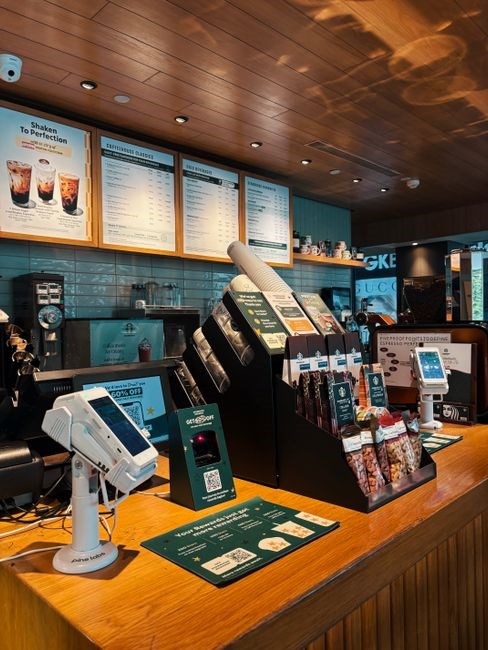
When the Starbucks app is unavailable or a physical receipt is needed, third‑party scanning apps provide a reliable alternative. Popular choices such as Adobe Scan, CamScanner, Microsoft Office Lens, and Evernote Scannable can capture high‑res images of the receipt, automatically crop, enhance contrast, and export the result as a PDF. The workflow is simple: open the chosen app, point the camera at the receipt, let the app detect the edges, and then confirm the scan. Most apps offer instant OCR, which turns the text into editable content, useful for expense tracking or tax filing. After the scan, the PDF can be renamed with the date and order number for easy retrieval. Users can then share the file via email, cloud services, or directly to accounting software. Security features such as password protection or encryption are available, ensuring sensitive payment details remain. Additionally, many scanning apps support bulk uploads, allowing a batch of receipts to be processed in one session, which is ideal for business travelers or frequent Starbucks patrons. By integrating these tools, customers maintain a digital archive of every purchase without relying solely on the Starbucks ecosystem. For audit purposes daily.

Managing PDF Receipts
Store PDFs in a dedicated folder, use cloud sync, label with date and order. Tag with categories for reimbursement. Keep backups, use secure passwords. Regularly audit for duplicates and compliance. Organize by year, set retention, use OCR tags quick!?.
Organizing Receipts in Cloud Storage
Creating a clear, searchable system for Starbucks PDF receipts in cloud storage saves time and ensures compliance. Start with a top‑level folder named “Starbucks Receipts.” Inside, use a year‑by‑year hierarchy: 2024, 2023, etc. Within each year, split by month (e.g., “01‑January”) or by campaign if you track seasonal promotions. Each file should follow a consistent naming pattern: YYYYMMDD_StoreCode_TransactionID.pdf. This format lets you sort alphabetically and quickly locate a receipt by date or location. Tagging is essential; most cloud services support custom metadata. Add tags such as “Expense,” “Travel,” “Marketing,” or “Reimbursement.” When you upload a file, use the service’s “Add tags” feature or add a short description in the file’s properties. Enable automatic backup and version history so you can recover earlier edits. Set sharing permissions to “view only” for colleagues who need access but not editing rights. If you use a business account, enforce two‑factor authentication and audit logs. For bulk uploads, use the desktop sync client to keep local copies in sync. Finally, schedule a quarterly review: archive receipts older than two years to a separate “Archive” folder, and run a search query to confirm no duplicates remain. This disciplined approach keeps your receipts organized, secure, and ready for audits or expense reports.
Additional notes: Keep receipts in a secure folder, use encryption, and review quarterly. Ensure compliance with tax regulations. Store backups in a separate location. Periodically audit the folder for duplicates and missing files. This proactive approach safeguards your financial records now

Tagging and Metadata for Reimbursement
Tagging and metadata streamline reimbursement workflows by making Starbucks PDF receipts instantly searchable and audit‑ready. When you upload a receipt to your cloud system, assign a unique identifier such as the transaction number, then add tags like “Travel,” “Client Meeting,” or. Many cloud services allow you to store custom metadata fields—use them to record the expense category, project code. Include the date in ISO format (YYYY‑MM‑DD) so sorting is accurate across time zones. For multi‑currency purchases, add the “Currency” tag and the exchange rate at the time of the transaction. Use consistent naming conventions: “YYYYMMDD_StoreCode_TransactionID.pdf” When sharing with finance, set permissions so that reviewers can view but not edit the PDF, preserving the integrity of the original document. Periodically audit the tag library to remove obsolete categories and standardize terminology. This disciplined approach speeds reimbursement and provides a clear audit trail that meets internal controls and regulatory requirements.
Security and Privacy Considerations
Starbucks PDF receipts contain personal data. Encrypt files, use secure cloud, enable two‑factor authentication, and restrict access. Regularly audit logs, delete obsolete copies, and comply with GDPR and CCPA regulations and back up encryptionfully.

Data Protection of PDF Receipts
Starbucks PDF receipts contain transaction details, customer identifiers, and sometimes payment information. Protecting this data requires a multi‑layered strategy. First, encrypt the PDF at rest using AES‑256 and, if possible, add a password that is stored separately from the file. Second, store the encrypted PDFs in a secure cloud bucket or local server that enforces strict access controls, role‑based permissions, and audit logging. Third, implement two‑factor authentication for any user interface that can download or view the receipts. Fourth, ensure that the PDF metadata is scrubbed of any extraneous personal data before storage. Fifth, regularly review and purge outdated receipts in compliance with data‑retention policies and privacy regulations such as GDPR, CCPA, and PCI‑DSS. Finally, conduct periodic penetration tests and vulnerability scans on the storage infrastructure to detect and remediate potential weaknesses. By combining encryption, access control, data minimization, and continuous monitoring, organizations can safeguard Starbucks PDF receipts against unauthorized access, data breaches, and compliance violations. All steps should be documented in an internal policy to ensure audit readiness daily.!

Common Issues and Troubleshooting
Customers often encounter missing PDFs, corrupted files, or download errors. Verify network stability, clear app cache, update the app, and request a new receipt via email or in‑store printing. Contact support if issues persist and confirm storage space now!!!
Missing PDF Receipts
When a customer requests a PDF receipt from Starbucks, the most common issue is that the file never appears in the email inbox or the app’s receipt history. Several factors can cause this: the email address may be incorrectly entered, the receipt may have been filtered into a spam or junk folder, or the app’s cache might be corrupted, preventing the PDF from rendering. To resolve the problem, first confirm that the email address on the Starbucks account matches the one used for the purchase. Next, check the spam folder and any email filters that could be diverting the receipt. If the email is present but the PDF attachment is corrupted, try clearing the app cache or reinstalling the app; this often restores the ability to download receipts. If the receipt is still missing, use the “Request a receipt” feature in the app, which sends a fresh PDF to the registered email. For in‑store purchases, the barista can print a physical receipt and the customer can scan it with a third‑party scanning app that saves the image as a PDF. Finally, if all else fails, contact Starbucks support via the app; they can manually resend the PDF or provide a printed copy upon request. Following these steps usually restores access to the missing PDF receipt. And email the receipt for records!!!
Corrupted PDF Files
Starbucks PDF receipts can become corrupted if the download process is interrupted, the file is saved to a non‑standard location, or the device’s storage is full. A corrupted PDF may display as a blank page, show garbled text, or fail to open entirely; The first step is to verify the file size; a legitimate receipt should be between 50 KB and 200 KB. If the size is unusually small or large, the file is likely damaged. Re‑download the receipt from the Starbucks app or email, ensuring a stable internet connection. If the problem persists, try opening the PDF with a different viewer such as Adobe Acrobat Reader or a browser’s built‑in viewer; some viewers can repair minor corruption. For more severe corruption, use a PDF repair tool like PDF2Go or a command‑line utility such as Ghostscript to rebuild the file. If the receipt remains unusable, contact Starbucks support and request a fresh PDF or a printed copy. Always keep a backup of the original receipt in cloud storage to avoid loss of data. Finally, regularly clear the app cache and update the app to the latest version to minimize future corruption issues.!! Remember to keep the PDF in a secure folder and set a strong password if the file contains sensitive information. Add a watermark if you need confidentiality.