
Navigating the complexities of digitally altering finalized documents requires careful consideration. Adobe Acrobat’s online editor provides secure tools to modify PDFs,
including adding text and comments, offering a convenient starting point for adjustments. However, understanding the legal ramifications is paramount before proceeding with any changes.
Successfully editing a signed PDF hinges on balancing functionality with adherence to legal standards and security protocols.
The Challenge of Modifying Signed PDFs
Modifying a signed PDF presents unique hurdles due to the inherent nature of digital signatures and document integrity. Unlike editing an unsigned draft, alterations to a signed document can immediately raise questions about its authenticity and legal validity. The primary challenge lies in preserving the original signature’s integrity while making necessary changes.
Directly altering the content of a signed PDF often invalidates the signature itself, as the signature is mathematically linked to the document’s content at the time of signing. Any change, even seemingly minor, disrupts this link. Adobe Acrobat’s tools, while powerful, don’t magically resolve this issue; they simply allow for modifications that may or may not be legally permissible.
Therefore, the challenge isn’t just how to edit, but whether you legally can edit a signed PDF without compromising its legal standing. This necessitates a thorough understanding of relevant laws and regulations, as well as careful consideration of the potential consequences.
Why Edit a Signed PDF? Common Scenarios
Despite the complexities, legitimate reasons exist for needing to edit a signed PDF. One frequent scenario involves minor corrections – typos, outdated contact information, or small factual errors discovered after signing. Individuals might also need to add supplemental information, such as clarifying notes or supporting documents, to a finalized agreement.
Another common situation arises when a signed PDF requires form-filling. While the signature validates the agreement, certain fields might remain incomplete. Businesses often encounter this with contracts needing internal tracking numbers or department codes.
However, it’s crucial to differentiate between legitimate edits and attempts to fundamentally alter the agreement’s terms. Adding comments or annotations, as offered by tools like Adobe Acrobat, is generally less problematic than directly modifying signed content, highlighting the need for careful consideration.

Legal Considerations & Risks

Altering signed PDFs presents significant legal challenges. Tampering can invalidate agreements, potentially leading to disputes and legal repercussions; proceed with extreme caution and awareness.
Understanding the Implications of Altering a Signed Document
Modifying a signed PDF carries substantial legal weight, potentially undermining the document’s validity and enforceability. A signature signifies agreement to the document’s original content; alterations, even seemingly minor ones, can be construed as forgery or fraud, especially if intended to deceive.
The implications vary based on jurisdiction and the document’s nature. Contracts, legal agreements, and official records are particularly sensitive. Altering these documents could lead to legal challenges, voiding the agreement, and potentially resulting in financial penalties or criminal charges.
Even adding comments or annotations, while generally less problematic, should be done transparently. Clearly indicate the date and author of any additions to avoid ambiguity and maintain a clear audit trail. Always prioritize creating a new version with tracked changes rather than directly modifying the original signed copy whenever possible.
Voiding a Signature: When is it Legal?
While altering a signed PDF is generally discouraged, certain circumstances may allow for legally voiding a signature. Mutual agreement between all signing parties is the most straightforward scenario; a written amendment acknowledging the changes and re-signed by everyone effectively replaces the original.
However, voiding a signature without consent is complex. Proven fraud, duress (being forced to sign), or demonstrable lack of capacity (e.g., mental incompetence) at the time of signing can be grounds for legal challenge.
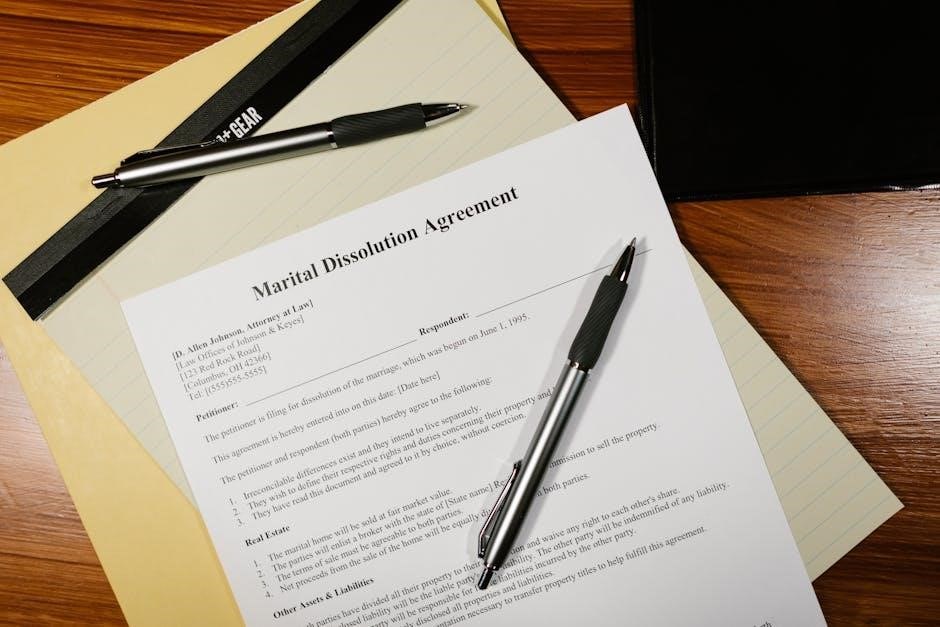
Mistakes or omissions discovered after signing may also allow for correction via an addendum, but this requires full disclosure and agreement. It’s crucial to consult with legal counsel to determine the specific requirements and potential risks in your jurisdiction before attempting to invalidate a signature.
Document Security and Tamper Evidence
Maintaining document integrity is paramount when dealing with signed PDFs. Any alteration, even seemingly minor, can raise concerns about authenticity and trustworthiness. Digital signatures, when properly implemented, offer a degree of tamper evidence, as changes invalidate the signature.
However, standard PDF editing doesn’t automatically provide this protection. Edited PDFs should be carefully secured with password protection and permission controls to restrict further modifications. Consider utilizing features that track changes or create audit trails, if available in your PDF editor.
Be aware that some editing methods may leave traces of alteration, potentially detectable through forensic analysis. Prioritizing security measures and transparency is vital to preserve the document’s legal standing and credibility.

Methods for Editing Signed PDFs
Various tools facilitate signed PDF modification, ranging from Adobe Acrobat Pro’s robust features to accessible online editors like Smallpdf and iLovePDF, offering diverse options.
Using Adobe Acrobat Pro (Paid Option)
Adobe Acrobat Pro stands as the industry standard for comprehensive PDF manipulation, offering powerful capabilities for editing signed documents. This software provides granular control, allowing users to directly modify text, images, and other elements within the PDF.
Editing Text and Images in Acrobat Pro is straightforward; users can select and alter existing content or introduce new elements seamlessly. The software maintains formatting, ensuring a professional appearance.
Adding and Replacing Pages is also easily accomplished, enabling the insertion of new information or the removal of outdated sections. Acrobat Pro’s advanced features include redaction tools for permanently removing sensitive data and robust security options to protect the document from unauthorized access.
However, it’s crucial to remember that altering a signed document carries legal implications, and Acrobat Pro doesn’t inherently validate the legality of such changes.
Editing Text and Images in Acrobat Pro
Acrobat Pro’s editing suite provides precise control over text and image manipulation within signed PDFs. Users can directly select, move, and re-size existing elements, or introduce entirely new content. Font styles, sizes, and colors are fully customizable, ensuring consistency with the original document’s aesthetic.
Image editing capabilities extend to cropping, rotating, and adjusting brightness and contrast. Replacing images is also a simple process, allowing for updated visuals without compromising the document’s layout. The software intelligently reflows text to accommodate changes, maintaining a professional appearance.
However, remember that modifying a signed document can have legal consequences. Acrobat Pro facilitates the technical aspects of editing, but it doesn’t offer legal guidance on the permissibility of alterations. Always consider the implications before making changes.
Adding and Replacing Pages
Acrobat Pro offers robust functionality for managing PDF page structure, enabling users to seamlessly add or replace pages within a signed document. New pages can be inserted before, after, or in between existing ones, providing flexibility for incorporating additional information or corrections.
Replacing pages is equally straightforward; simply select the target page and choose a replacement file. The software maintains the original document’s formatting and layout during these operations. This is particularly useful for updating outdated sections or correcting errors discovered after signing.
However, altering page content after signing raises significant legal concerns. While Acrobat Pro facilitates these actions, it’s crucial to understand the potential ramifications and ensure compliance with relevant regulations before proceeding with any page modifications.
Online PDF Editors (Free & Paid)
Numerous online PDF editors present alternatives to Adobe Acrobat Pro, offering varying levels of functionality and cost. These platforms allow users to edit PDFs directly within a web browser, eliminating the need for software installation. Options range from free, limited-feature tools to subscription-based services with advanced capabilities.
Many online editors, like those available through Adobe’s online suite, enable basic text additions and commenting. However, complex edits or page manipulations may require a paid subscription. Security is a key consideration when using online tools; ensure the provider employs robust encryption to protect sensitive document data.
The convenience of online editing must be weighed against potential security risks and feature limitations. Carefully evaluate your needs and choose a platform that balances functionality, cost, and data protection.
Smallpdf: Features and Limitations
Smallpdf is a popular online PDF editor known for its user-friendly interface and broad range of tools. It allows users to edit PDFs by adding text, shapes, and images, as well as filling out forms and merging or splitting documents. However, its free version imposes limitations on daily usage, restricting the number of tasks you can perform within a given timeframe.
For editing signed PDFs, Smallpdf offers basic modification capabilities, but complex alterations might be restricted. While it’s suitable for minor adjustments and annotations, extensive editing or restructuring of a signed document may necessitate a paid subscription to unlock full functionality.
Users should be aware of Smallpdf’s processing of data and ensure it aligns with their privacy requirements.
iLovePDF: Editing Capabilities
iLovePDF presents a comprehensive suite of online PDF tools, including editing functionalities suitable for various tasks. Users can modify PDFs by adding text, images, and shapes, alongside options to redact sensitive information and rearrange pages. It provides a relatively intuitive interface, making it accessible for users with varying levels of technical expertise.
When dealing with signed PDFs, iLovePDF allows for annotations and minor text adjustments, but substantial alterations may be limited. The platform focuses on efficient PDF management, offering tools for compression, conversion, and merging. However, extensive editing of a legally signed document should be approached cautiously, considering potential legal implications.
iLovePDF offers both free and paid plans, with the latter unlocking advanced features and removing usage restrictions.
PDFescape: Online and Desktop Options
PDFescape distinguishes itself by offering both a web-based online editor and a downloadable desktop application, providing flexibility for users. The online version allows for quick edits without software installation, while the desktop version offers more robust features and offline access. Both versions support form filling, annotation, and basic text/image editing.
Regarding signed PDFs, PDFescape enables adding text boxes, sticky notes, and highlighting, but direct alteration of existing signature elements is generally discouraged. It’s crucial to understand that modifying a signed document can have legal consequences, and PDFescape provides tools for annotation rather than destructive editing.
PDFescape operates on a freemium model, with the free version having limitations on file size and features.

Specific Editing Tasks & Techniques
Precise modifications to signed PDFs require careful execution. Techniques include adding textual notes, strategically covering existing content, and inserting visual elements for clarity.
Adding Text to a Signed PDF
Incorporating additional text into a signed PDF necessitates a nuanced approach, balancing the need for clarity with potential legal implications. Utilizing tools like Adobe Acrobat or online PDF editors, such as Smallpdf or iLovePDF, allows users to directly add text boxes or annotations onto existing pages.
When adding text, consider using a contrasting color or font style to clearly distinguish it from the original content. Furthermore, it’s crucial to indicate the date and author of the added text to maintain transparency and avoid ambiguity. Clearly labeling additions as “Added on [Date] by [Name]” is a best practice.
Remember that any alterations, even seemingly minor text additions, could potentially affect the document’s legal validity. Therefore, proceed with caution and consult legal counsel if you have concerns about the implications of modifying a signed document. Annotation tools, offering non-destructive edits, might be a safer alternative in certain scenarios.
Removing or Covering Existing Text
Altering existing text within a signed PDF presents significant risks and requires extreme caution. Directly deleting or modifying original content is generally discouraged due to potential legal ramifications. Instead, consider methods that obscure the text without permanently removing it.
Utilizing tools available in Adobe Acrobat Pro or online editors like PDFescape, you can cover existing text with white-out boxes or black bars. This visually conceals the information while preserving the original document’s integrity. Ensure the covering element is opaque and completely obscures the underlying text.
Crucially, document any redaction by adding a note indicating the text has been intentionally covered and the reason for doing so. Maintaining a clear audit trail is vital. Remember, complete removal is often legally problematic; covering offers a more defensible approach, though legal advice is always recommended.
Inserting Images and Shapes
Enhancing a signed PDF with visual elements like images and shapes is often a safer editing approach than altering existing text. Most PDF editors, including Adobe Acrobat Pro and online platforms like Smallpdf and iLovePDF, offer robust tools for inserting these elements.
You can add logos, stamps, or supporting graphics to provide context or highlight specific sections. Shapes, such as arrows or boxes, can draw attention to key information. When inserting images, ensure they are appropriately sized and positioned to avoid obscuring crucial content.
Remember to maintain a professional appearance and avoid cluttering the document. Consider the overall impact of the added visuals and ensure they don’t compromise the document’s readability or legal validity. Always save a copy of the original, unaltered PDF for record-keeping purposes.

Alternatives to Direct Editing
Exploring options beyond direct modification preserves document integrity. Annotation tools, creating new versions, or requesting a fresh signed copy offer safer, legally sound pathways.
Creating a New PDF with Changes
Instead of directly altering the signed document, a prudent approach involves generating a completely new PDF incorporating the necessary revisions. This method sidesteps potential legal issues associated with tampering with an officially signed file, maintaining the original document’s pristine state as verifiable proof.
You can achieve this by utilizing PDF editing software to recreate the document, carefully adding or modifying content as needed. Essentially, you’re building a revised version alongside the original, rather than changing the original itself. This new PDF can then be circulated for further review or use, clearly distinguishing it from the signed original.
This strategy is particularly useful when substantial changes are required, minimizing the risk of inadvertently invalidating the original signature and ensuring a clear audit trail of modifications. It’s a best practice for maintaining document security and legal defensibility.
Using Annotation Tools (Comments & Highlights)
For situations where modifications aren’t essential, leveraging annotation tools offers a non-destructive way to interact with a signed PDF. Tools like comments and highlights, readily available in programs like Adobe Acrobat, allow you to add notes, questions, or emphasize specific sections without altering the original content.

This approach preserves the integrity of the signed document while facilitating communication and collaboration. You can point out areas needing clarification, suggest potential improvements, or simply add contextual information. These annotations are visible to anyone viewing the PDF, providing a clear record of feedback.
Annotation tools are ideal for review processes, ensuring all stakeholders can contribute without risking the legal validity of the signed document. It’s a safe and effective method for working with finalized PDFs.
Requesting a New Signed Copy
Often, the most legally sound and straightforward solution is to request a fresh, correctly formatted PDF directly from the originator. Rather than attempting to alter a signed document, which carries inherent risks, contacting the sender and explaining the necessary changes avoids potential legal complications.
This ensures the new document is properly signed and reflects all required updates. It maintains a clear audit trail and eliminates any ambiguity regarding the document’s authenticity. While it may require additional time, it’s the safest route.
Consider this the preferred method when substantial changes are needed. It’s a proactive approach that prioritizes legal compliance and document integrity, circumventing the complexities of editing a signed PDF.

Security Best Practices
Prioritize robust security measures when handling modified PDFs. Employ password protection and permission controls to restrict access and prevent unauthorized alterations, safeguarding document integrity.
Protecting Your Edited PDF
After editing a signed PDF, securing it against further unauthorized changes is crucial. Implementing strong password protection is a fundamental step, requiring users to authenticate before viewing or modifying the document. Beyond passwords, consider utilizing permission controls within PDF editors like Adobe Acrobat Pro.
These controls allow you to restrict specific actions, such as printing, copying, or altering the content, to authorized individuals only. Digitally signing the edited PDF with a trusted digital certificate adds another layer of security, verifying the document’s authenticity and integrity.
Regularly scan the edited PDF with antivirus software to detect and remove any potential malware. Store the file in a secure location, and consider encrypting it for enhanced protection, especially when transmitting it electronically. Always back up your original and edited versions.
Password Protection and Permissions
Securing your edited PDF with robust password protection is paramount. Utilize strong, unique passwords – a combination of uppercase and lowercase letters, numbers, and symbols – to prevent unauthorized access. Most PDF editors, including Adobe Acrobat, offer options to require a password to open the document or to modify its contents.
Beyond passwords, granular permission controls are essential. These allow you to specify exactly what actions users can perform with the PDF. You can restrict printing, copying, or further editing, ensuring the document’s integrity is maintained.

Carefully consider who needs access and what level of access they require. For sensitive documents, limit permissions to “view only” for most users. Regularly review and update permissions as needed, and always document your security settings.